
Ear Surgery in London can help bring prominent ears closer to the head. But what happens if your ears start sticking out again months or years later? This change can feel frustrating, especially after a successful first operation. Although most results last, some patients notice their ears slowly return towards their old position.
This condition is known as otoplasty recurrence. It does not always mean the first surgery failed. Understanding why it happens can help you decide whether another procedure is necessary.
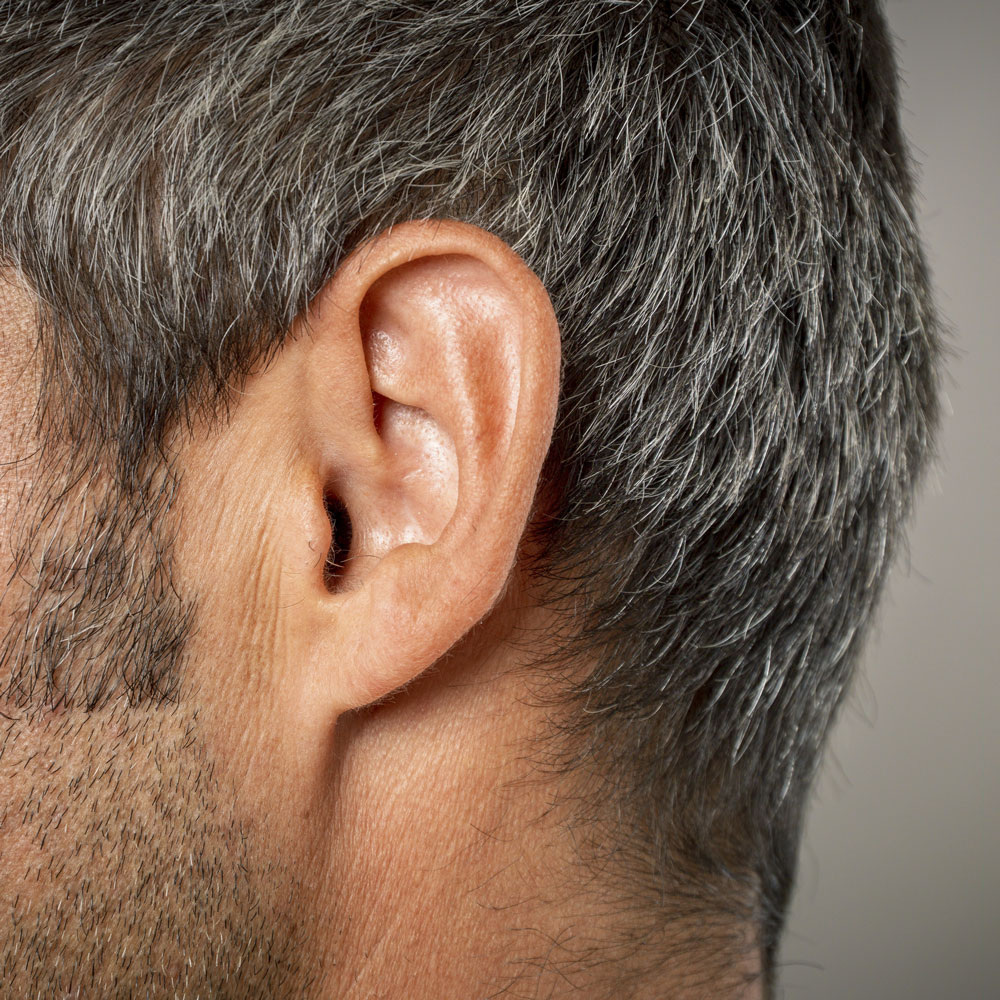
Why Can Ears Protrude Again After Ear Surgery in London?
Otoplasty changes the shape or position of ear cartilage. Surgeons often use stitches to create new folds or bring the ears closer to the head.
However, cartilage has natural flexibility. In some cases, it may slowly push against the surgical correction.
Several factors can cause ears to protrude again.
1. Cartilage Memory
Ear cartilage has a natural shape. Even after surgery, it may resist its new position.
Strong cartilage can gradually pull the ear outward. This may affect one ear more than the other.
2. Loose or Failed Internal Stitches
Surgeons often use internal stitches to hold cartilage in place.
If these stitches loosen, break or fail to hold, the ear may move away from the head.
This can happen during recovery or much later.
3. Incomplete Cartilage Correction
Some ears need more than simple stitches.
If the first operation does not fully address the cartilage shape, part of the ear may remain prominent.
A second procedure may help correct the remaining problem.
4. Injury During Healing
Pressure or injury during early recovery can affect healing.
Sleeping directly on the ears, contact sports or accidental impacts may place strain on healing tissues.
However, not every recurrence results from an injury. Some cases occur despite careful aftercare.
Is It Normal for Ears to Change Shape After Surgery?
Small changes during early recovery are common.
Swelling can make the ears appear closer to the head immediately after surgery. As swelling fades, their final position becomes clearer.
The ears may also feel stiff, tender or uneven for several weeks.
This does not always indicate recurrence.
However, if one ear gradually moves further out, contact your surgeon.
Taking photographs during recovery can help track changes.
Avoid trying to push your ears back with tight bands or tape without medical advice.
When Should You Consider Revision After Ear Surgery in London?
Revision surgery may be an option when the first operation has not achieved a stable or satisfactory result.
Some patients notice a small difference in ear position. Others experience more obvious protrusion.
Possible reasons to seek a revision consultation include:
- One ear has moved back towards its original position.
- Both ears have become prominent again.
- The ears look noticeably uneven.
- Internal stitches cause irritation or discomfort.
- The original correction did not meet your expectations.
Not every concern requires another operation.
A surgeon should first assess your healing, ear structure and previous surgical technique.
In many cases, waiting until the tissues have fully settled provides a clearer view of the final result.
Revision Otoplasty London: How Does a Second Procedure Work?
Revision otoplasty aims to improve the shape or position of an ear after previous surgery.
The technique depends on the reason for recurrence.
A surgeon may need to:
- Replace or adjust internal stitches.
- Create a stronger cartilage fold.
- Reshape resistant cartilage.
- Correct differences between the ears.
- Address scar tissue from the first procedure.
Revision surgery can be more complex because the previous operation may have changed the cartilage and surrounding tissues.
The surgeon must work carefully around existing scars.
Sometimes only one ear requires correction. In other cases, both ears need further adjustment.
The goal is a balanced result that looks natural from the front, side and back.
How Surgeons Assess Otoplasty Recurrence
Before recommending revision surgery, your surgeon will examine several factors.
Ear Cartilage Strength
Some people have thick or firm cartilage. This may require a different surgical approach.
Previous Surgical Technique
The surgeon will review how the first operation reshaped the ears.
If possible, bring your previous operation notes and photographs.
Scar Tissue
Scar tissue may affect the flexibility of the ear and the options for revision.
Ear Symmetry
Perfect symmetry is not always possible.
A small difference between ears is normal, so the surgeon should explain what another procedure could realistically improve.
A consultation at Top Cosmetic Surgeon can help patients explore suitable options for ear correction.
Otoplasty Complications: When Should You Seek Medical Help?
Ear protrusion is not the only concern following surgery.
Other possible complications include infection, bleeding, exposed stitches and changes in sensation.
Contact your surgical team promptly if you notice:
- Increasing pain or swelling
- Redness spreading around the ear
- Pus or unusual discharge
- Fever
- Sudden changes in ear shape
- A wound that begins to open
Severe or rapidly worsening symptoms need urgent medical assessment.
Early treatment may help prevent further problems.
Recovery After Revision Ear Surgery
Recovery depends on how much correction the surgeon needs to perform.
Some patients require a small adjustment. Others need more extensive cartilage reshaping.
After surgery, you may experience swelling, bruising and tenderness.
Your surgeon may recommend:
- Wearing protective dressings
- Using a headband at night
- Avoiding pressure on the ears
- Sleeping in a suitable position
- Taking prescribed pain relief
- Attending follow-up appointments
Avoid contact sports until your surgeon confirms that your ears have healed enough.
Revision healing can differ from recovery after the first operation. Follow your own treatment plan rather than a general timeline.
Can Ears Stick Out Again After Otoplasty?
Yes. According to the NHS, ear correction surgery can occasionally fail to hold the ears in their new position. The ears may start to protrude again, and some patients need further treatment. If you notice this change, contact your original surgeon for an assessment before considering revision surgery.
Read the Full Article (Source: NHS)
Can Revision Otoplasty Provide Long-Lasting Results?
Revision surgery aims to create a more stable ear position.
However, no surgeon can guarantee that recurrence will never happen.
The result depends on cartilage strength, surgical technique, healing and individual anatomy.
Careful planning may improve the chance of a lasting correction.
It is also important to understand that revision surgery carries risks, including further scarring and changes in ear shape.
Discuss these points before deciding to proceed.
Final Thoughts: What Should You Do If Your Ears Protrude Again?
Seeing your ears move outward after otoplasty can be disappointing. However, it does not always mean you need another operation.
The first step is to understand why the change happened.
An experienced surgeon can assess your cartilage, review your previous procedure and explain the available options.
For patients considering Ear Surgery in London, Top Cosmetic Surgeon provides consultations to discuss ear shape, symmetry and potential treatment approaches.
If you are concerned about a previous result, book a consultation to explore whether revision otoplasty may be suitable.
The aim should always be a safe, natural-looking correction that respects your unique ear shape and realistic expectations.
